Fresh Basil Pesto Recipe – Better Than Store-Bought
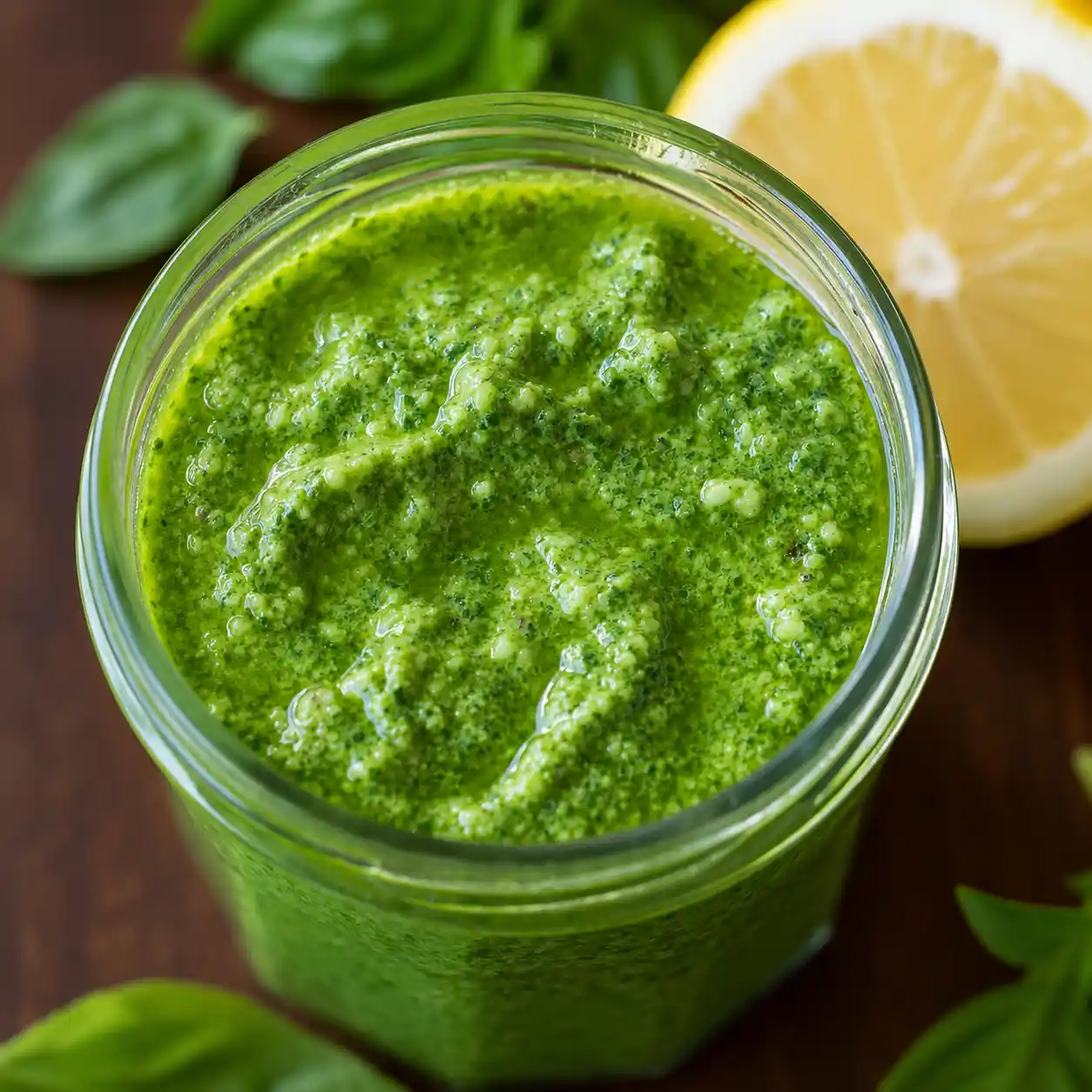
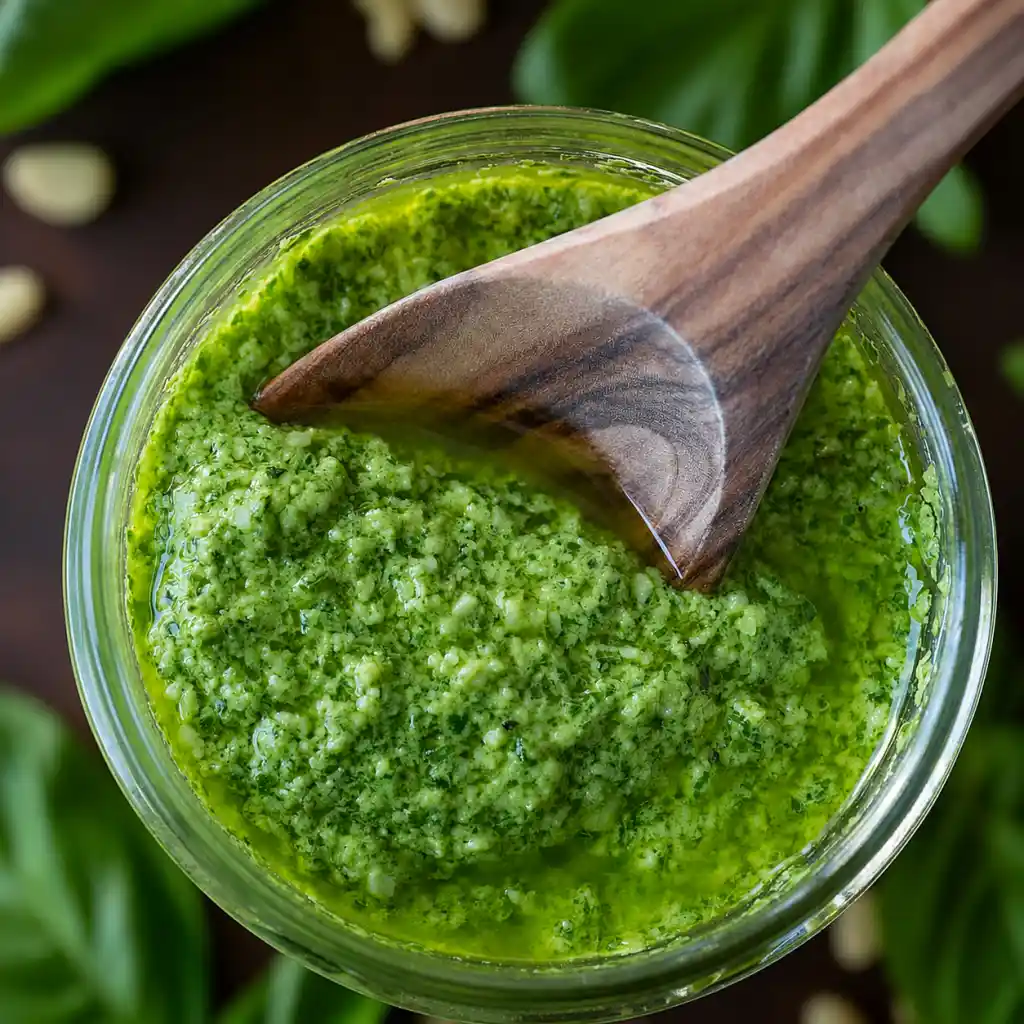
There’s something special about homemade basil pesto. It’s fresh, vibrant, aromatic, and packed with real flavor that simply can’t compare to most store-bought versions. This classic Basil Pesto Recipe comes together in just minutes and can instantly elevate pasta, grilled chicken, sandwiches, roasted vegetables, or even homemade pizza.
The beauty of pesto is in its simplicity. Fresh basil, parmesan cheese, pine nuts, garlic, lemon juice, and olive oil blend together into a rich and silky sauce that tastes both comforting and refreshing.
Why This Recipe Works
This pesto recipe keeps the traditional flavors intact while balancing richness and freshness perfectly.
- Fresh basil gives the sauce its signature bright herbal flavor.
- Parmesan cheese adds salty, nutty depth.
- Pine nuts create a creamy texture and buttery finish.
- Lemon juice brightens the sauce and helps preserve the vibrant green color.
- Extra virgin olive oil binds everything together into a smooth, luxurious pesto.
The result is a versatile sauce that tastes fresh, clean, and incredibly flavorful.
Ingredients
US Customary
- 2 cups fresh basil leaves, tightly packed
- 3/4 cup shredded parmesan cheese
- 1/2 cup extra virgin olive oil
- 1/2 cup pine nuts
- 2 large garlic cloves
- 1/4 cup lemon juice (juice of 2 small lemons)
- 1/2 tsp salt, or to taste
- 1/4 tsp black pepper
Metric
- 50–60 g fresh basil leaves
- 70 g parmesan cheese
- 120 ml extra virgin olive oil
- 70 g pine nuts
- 2 garlic cloves
- 60 ml lemon juice
- 1/2 tsp salt
- 1/4 tsp black pepper
Makes about 1 1/2 cups pesto.
Instructions
1. Prepare the Basil
Wash the basil leaves thoroughly and dry them very well. Excess water can dilute the pesto and shorten its shelf life. A salad spinner works wonderfully here because dry basil helps the sauce stay rich and vibrant.
2. Blend the Ingredients
Add the basil leaves to a food processor along with the parmesan cheese, pine nuts, garlic cloves, lemon juice, olive oil, salt, and black pepper.
Pulse a few times first, then blend until the pesto reaches your preferred consistency. Some people enjoy a smoother pesto, while others prefer a slightly chunky texture for more rustic character.
3. Taste and Adjust
Taste the pesto and adjust the salt if needed. Depending on the saltiness of your parmesan cheese, you may need slightly more or less seasoning.
Chef’s Tips for the Best Pesto
Toast the Pine Nuts
Lightly toasting the pine nuts in a dry skillet for a few minutes adds a deeper, nuttier flavor. Be sure to let them cool before blending so the heat doesn’t darken the basil.
Use High-Quality Olive Oil
Since pesto contains only a few ingredients, the quality of the olive oil makes a noticeable difference. A fruity extra virgin olive oil creates a richer and smoother finish.
Avoid Overprocessing
Blending too long can warm the pesto and slightly dull the basil’s bright flavor and color. Pulse just until combined for the freshest taste.
Keep It Green
The lemon juice already helps maintain the vivid green color, but storing the pesto with a thin layer of olive oil on top also prevents oxidation.
Easy Variations
This recipe stays true to classic basil pesto, but the notes offer some delicious ingredient swaps:
- Thai basil creates a more peppery and slightly spicy flavor.
- Lemon basil adds extra citrus notes.
- Walnuts make the pesto earthier and more budget-friendly.
- Blanched almonds create a mild and creamy texture.
Each variation keeps the same basic preparation while offering a unique flavor profile.
Serving Ideas
Homemade pesto is incredibly versatile. Here are a few favorite ways to use it:
- Tossed with hot pasta
- Spread on sandwiches or wraps
- Spoon over grilled chicken or fish
- Mixed into roasted vegetables
- Drizzled on pizza
- Stirred into soups for extra flavor
- Used as a dip for bread or crackers
A small spoonful can instantly brighten almost any savory dish.
Storage Tips
Store pesto in an airtight jar or container in the refrigerator for up to 5 days. For longer storage, freeze it in small portions using an ice cube tray. Once frozen, transfer the cubes to a freezer-safe bag for quick and convenient use later.
Nutrition Per Serving
- Calories: 205 kcal
- Carbohydrates: 2g
- Protein: 3g
- Fat: 21g
Homemade basil pesto is one of the easiest sauces you can make, yet it delivers restaurant-quality flavor every single time. Fresh, creamy, garlicky, and full of vibrant basil flavor, this simple recipe is a kitchen staple worth making again and again.